
Dyslexia coaching
If your child has dyslexia or struggles with reading and spelling for any other reason, you’ve come to the right place.
Target audience
Our dyslexia support is designed for children with an official dyslexia diagnosis, but also for those who (not yet) have a diagnosis and still experience difficulties with reading, writing, or spelling in the Dutch language.
🧩 On Curaçao, many children grow up speaking multiple languages. This is a wonderful advantage, but it can sometimes cause confusion when learning to read and write. For example, when you compare Papiamentu and Dutch, you often see the same letters but hear different sounds. The sound–symbol connection — the link between what you hear and what you write — differs in every language.
📖 A child who hasn’t yet mastered this connection may struggle with reading, writing, or remembering spelling rules. That’s why our sessions focus on teaching the correct sound–symbol connection for each language, helping the child understand which sound belongs to which letter.
👩🏫 Our tutors are experienced in both Dutch and Papiamentu sound–symbol systems, and guide each child step by step in recognizing the differences. With this clarity, children gain confidence, and reading and writing become more enjoyable and easier to understand.
Method
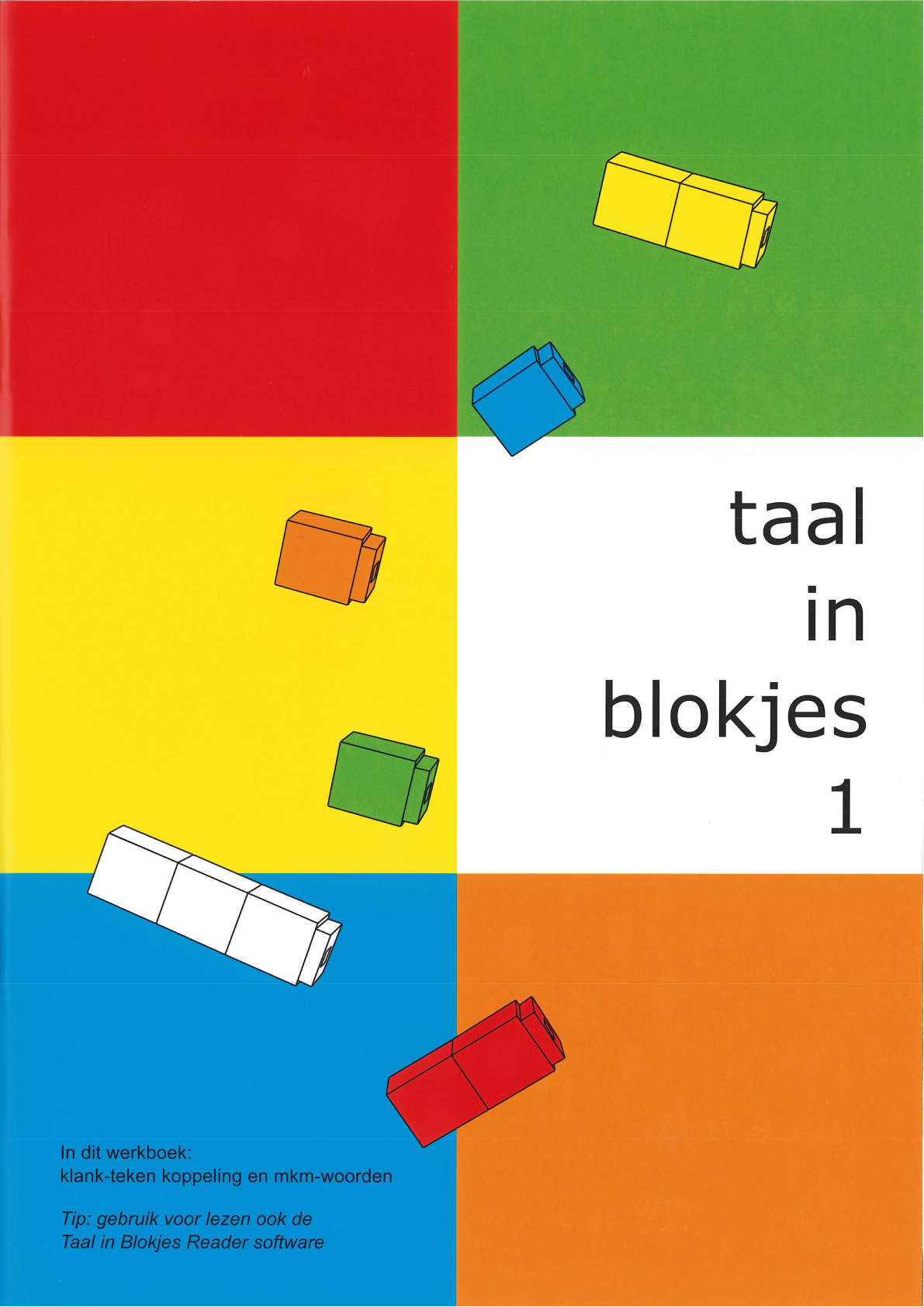
For our dyslexia support, we use the Taal in Blokjes method.
This sensory-motor approach combines reading, writing, and spelling with a visual representation of words, helping children understand and remember language more effectively.
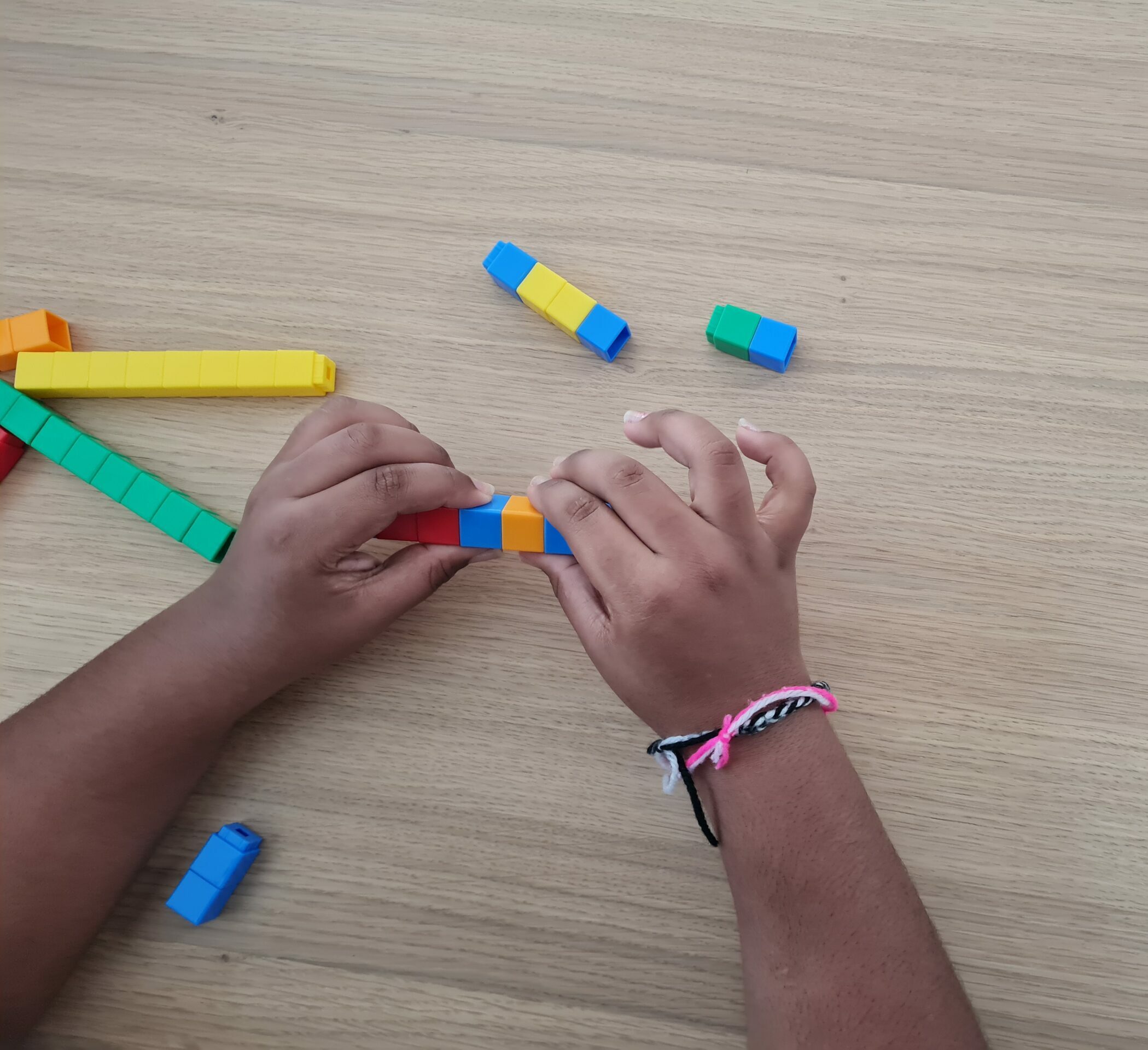
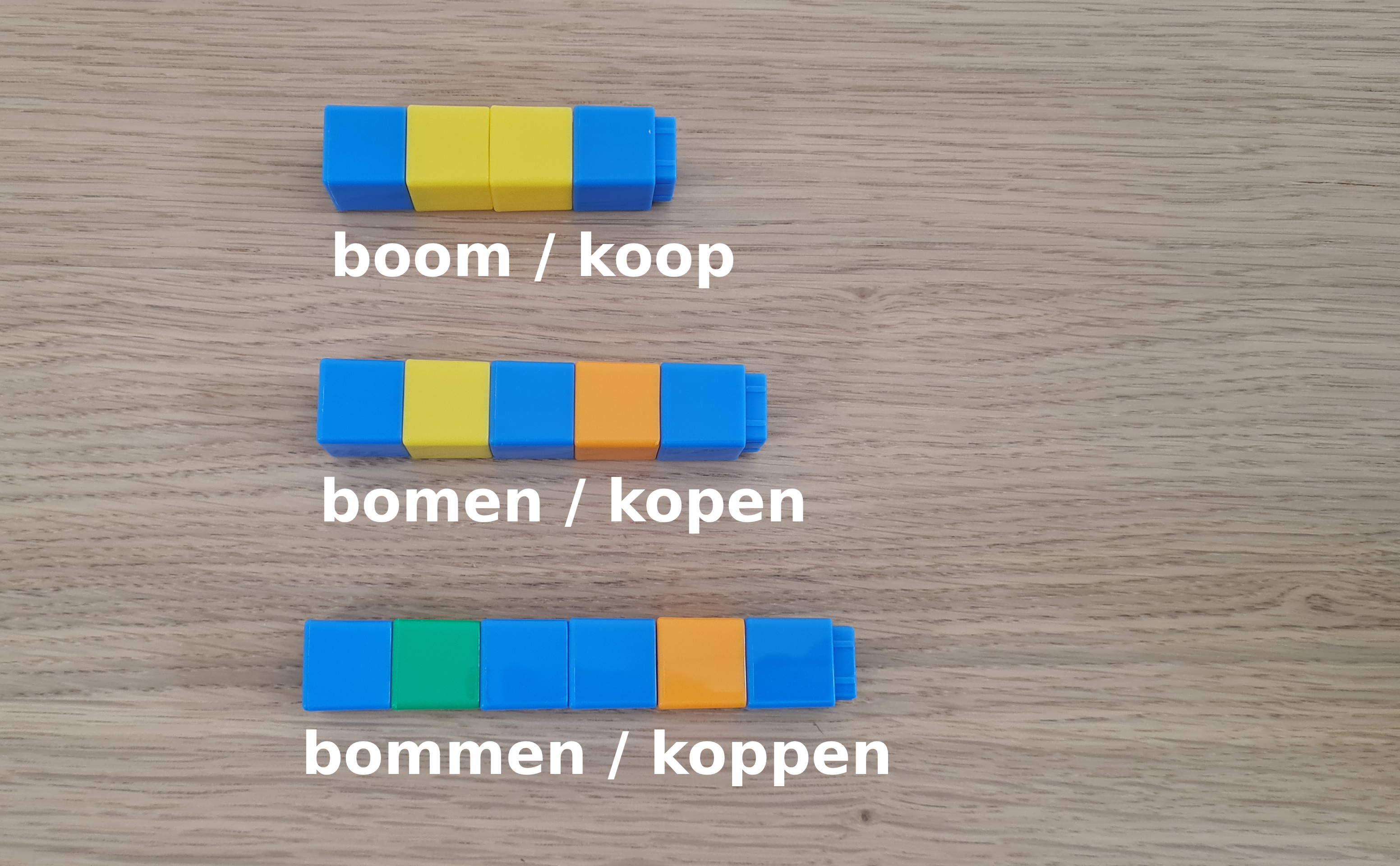
🎨 During the sessions, children learn to build words using colored blocks. Each color represents a specific sound:
🟩 Short vowels
🟨 Long vowels
🟥 Compound vowels
🟧 Schwa (unstressed vowels)
🟦 Consonants
The color shows how a sound is pronounced, while the number of blocks indicates how many letters the word contains. This combination of seeing, hearing, and doing makes sounds tangible and visual, helping children better understand and apply spelling rules.
📚 The method consists of six sequential phases. We always start at the entry level determined during the first sessions. From there, the child progresses step by step through each phase at their own pace.
This approach makes learning to read and write not only clearer, but also more enjoyable — children can literally see how words are built, boosting both their understanding and confidence.
Guidance
When a child is registered for dyslexia support, we begin with two observation sessions. During these first sessions, we carry out various reading, writing, and listening activities and introduce the child to the Taal in Blokjes method.
Based on these initial observations, we create an assessment report to determine the child’s starting level.
From the following sessions onward, we continue to work step by step with the method, fully tailored to the child’s individual needs.
Each session lasts about one hour and begins and ends with a short discussion about the homework.
During the session, a few exercises are completed together with the tutor, while the remaining activities are assigned as homework.
The exercises include a varied mix of:
🔤 sound–symbol correspondence
🎧 auditory exercises
✍️ dictations and spelling rules
🎲 games and block-based activities
This variety makes learning fun and effective, helping children remember what they’ve learned more easily.
At home, children can continue practicing in their workbooks or on assignment sheets, or by writing short stories to apply their skills in a practical way.
At the end of each session, the tutor provides a short progress report summarizing what was covered.
Parents can view this information through our online client tracking system, ensuring they stay informed and involved in their child’s development.
Rates
The following rates apply per session of 60 minutes:
- At huntu pa e yu: 60 Cg per session.
- At a location in Banda Riba: 66 Cg per session.
- For sessions that coincide with a time when the child is in our group care, a discount of 45% applies.
- For sessions on Saturdays, a surcharge of 10% applies.
We do not charge any registration fees or annual fees. Do you want more information about our approach? Contact us for a free initial interview where we can identify your child’s needs and explain our unique way of working. Of course, this is without any obligation. Contact us using the contact form or WhatsApp.